
HDPE vs. PP for food contact: which material is right?
Temperature range, chemical resistance, approvals and typical use cases — a brief for buyers and process engineers.
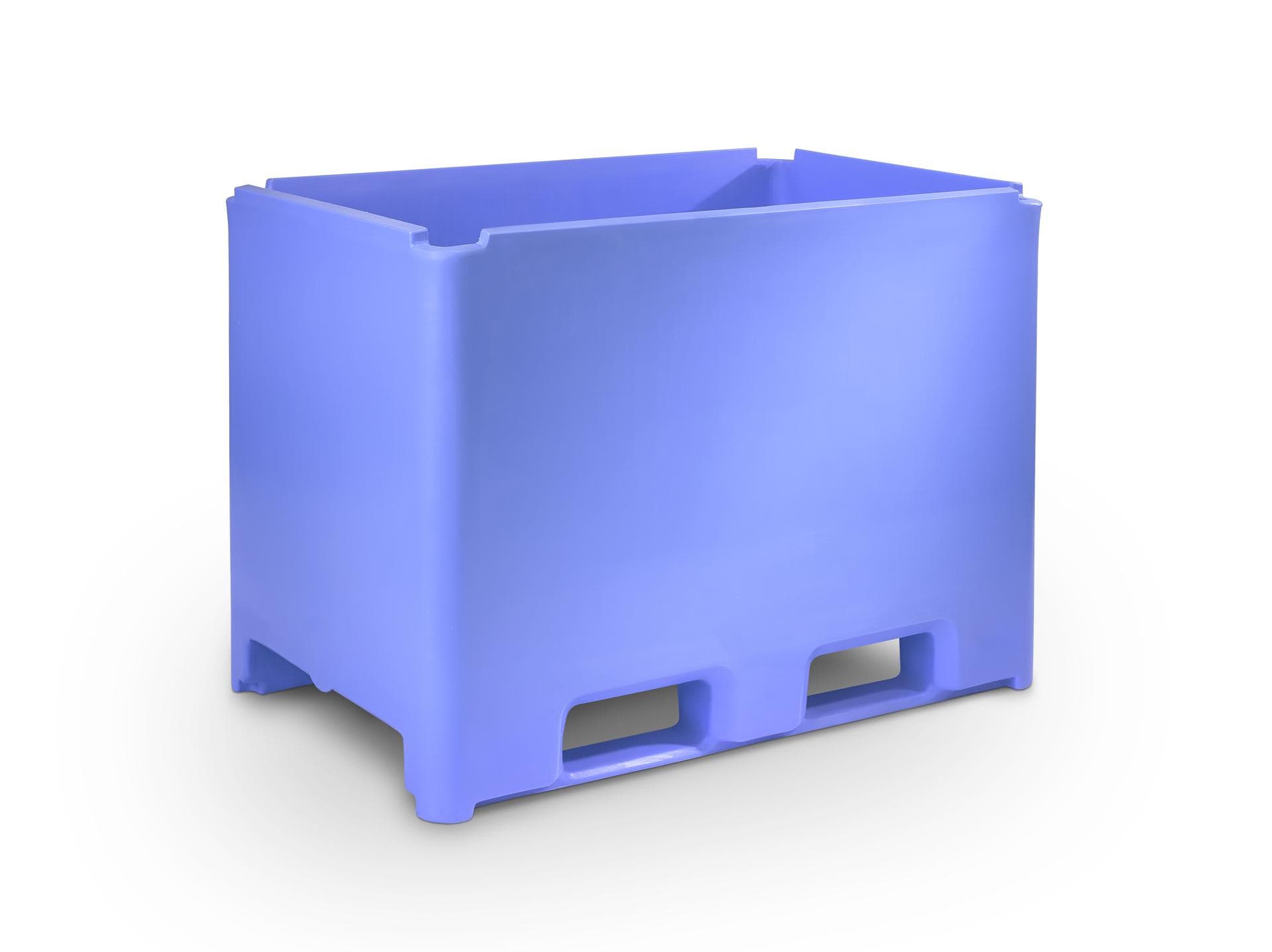
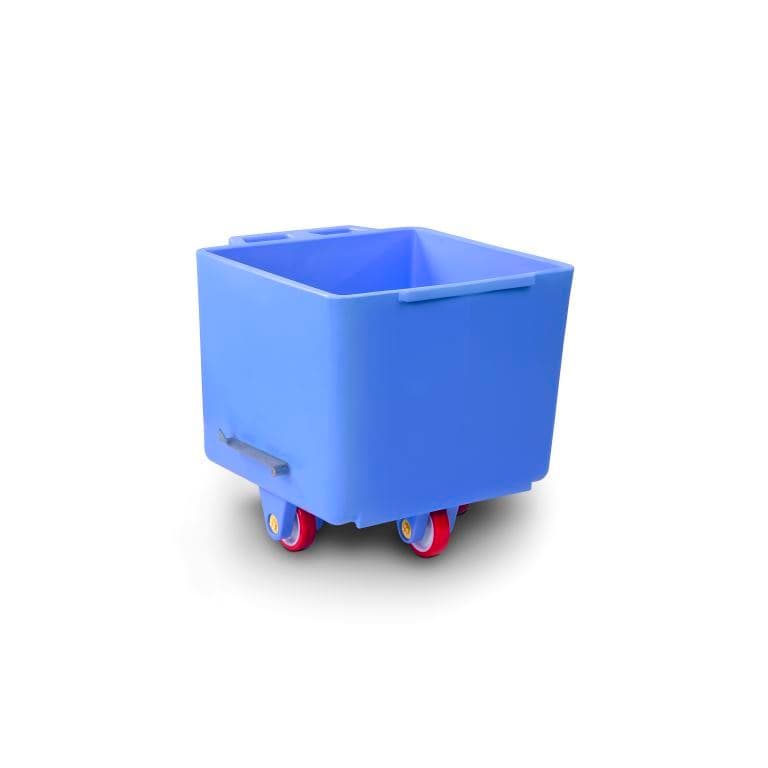
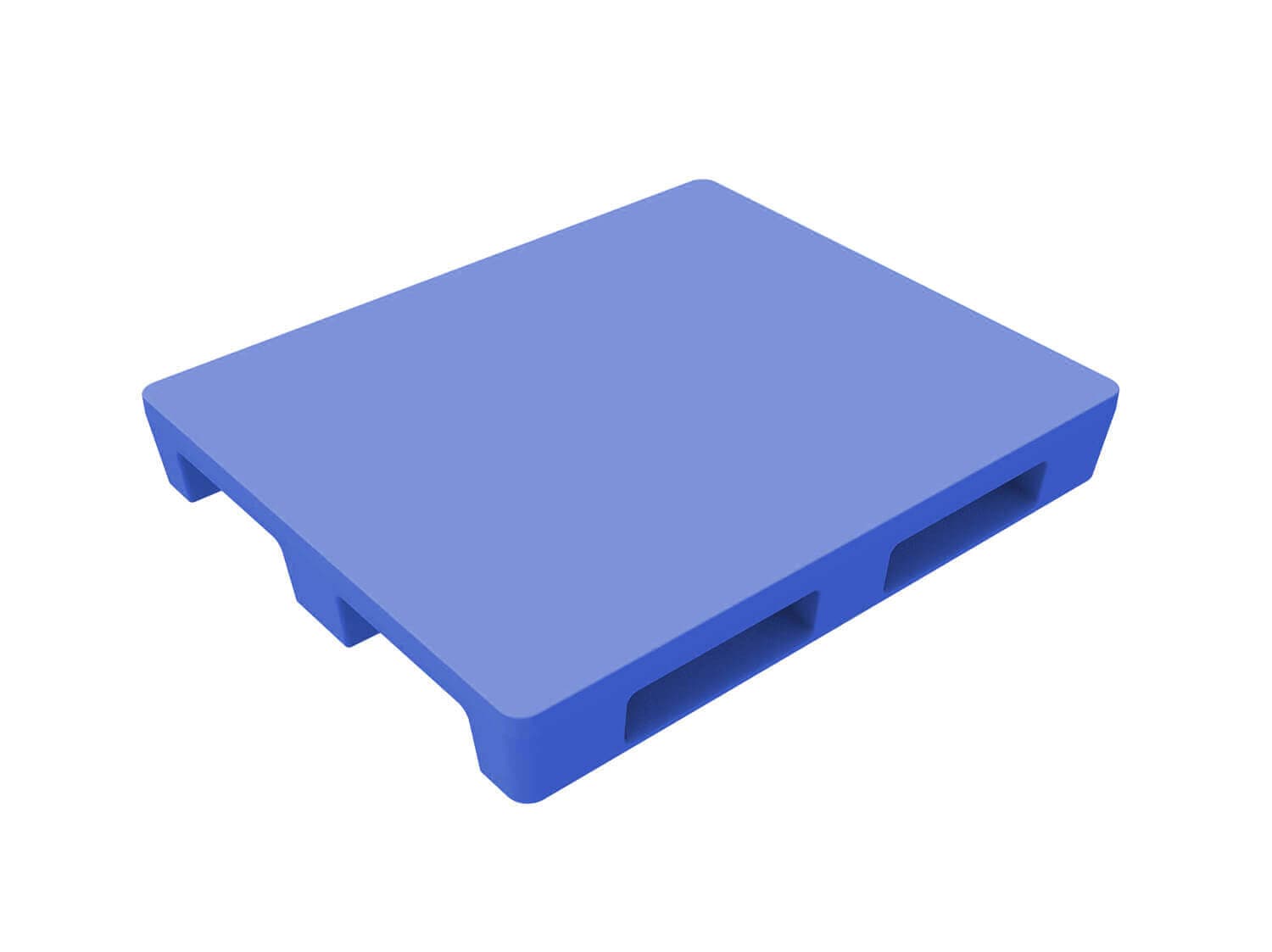
HDPE is impact-resistant down to −40 °C, absorbs no moisture, stands up to chemicals and UV — our standard for pallet boxes, pallets and cutter wagons.
PP shines when higher temperatures (up to ~+120 °C short term) and hot CIP cleaning are the priority — e.g. dairy processing and recurring steam disinfection.
Both materials can be certified for food contact under EU 10/2011 and FDA 21 CFR with the correct formulation.
The short answer
For most applications in meat, fish, logistics and chemicals HDPE is the right choice — less sensitive, tougher in cold, mechanically more robust. PP becomes relevant as soon as you clean regularly with hot steam or run above +80 °C for longer stretches.
Temperature and sterilisation
HDPE holds continuous temperatures up to ~+80 °C and tolerates the jump into deep freeze (down to −40 °C) without brittle fracture — critical for meat and frozen logistics.
PP holds higher continuous temperatures (~+100 °C, short-term +120 °C) and suits hot-steam CIP and autoclave cycles. The trade-off: PP becomes impact-sensitive below ~0 °C.
Chemicals and cleaning
Both plastics are chemically very resistant to alkalis, acids and common disinfectants. HDPE shines with oils, greases and strong peroxides. PP is slightly more sensitive to aromatic hydrocarbons.
Both materials handle chlorine-based cleaners (e.g. peracetic acid) without drama, provided dwell time and temperature stay within the validated window.
Regulatory
We supply both materials with EU 10/2011 Declaration of Conformity and FDA 21 CFR certification. For GMP pharma applications we add DMF references and material batch tracing. Please flag the required document pack already in your enquiry.
HDPE vs. PP at a glance
| HDPE | PP | |
|---|---|---|
| Continuous temperature | −40 to +80 °C | 0 to +100 °C |
| Short-term max. | +90 °C | +120 °C |
| Deep-freeze suitability | Excellent | Limited |
| Hot-steam CIP | Possible, not ideal | Ideal |
| Cold impact strength | Very high | Lower |
| Food regulation | EU 10/2011, FDA | EU 10/2011, FDA |
| Typical use | Pallet box, pallet, cutter wagon | Dairy, pharma, autoclave |
Choose HDPE if …
… temperatures sit between −40 and +80 °C, cold impact matters, and cleaning uses foam, high-pressure or cold CIP.
Choose PP if …
… hot-steam CIP, autoclaves or continuous operation above +80 °C are required and cold impact is not a factor.
When in doubt, HDPE
90 % of our projects run reliably on HDPE — PP is the specialist choice for hot cleaning.
Frequently asked questions
Which material do you recommend for freezer pallets?
HDPE, clearly. Cold impact strength stays comfortable down to −40 °C. PP becomes increasingly impact-sensitive below 0 °C.
Are PP containers automatically autoclavable?
Not automatically — it depends on wall thickness, reinforcement and formulation. We release this explicitly per product and document it in the DoC.
Do you supply material data sheets?
Yes — on request we supply the material data sheet, migration test results, formulation declaration, GMP documentation and batch traceability.
Can HDPE and PP products be combined?
Absolutely. Many customers use HDPE pallet boxes for raw material and PP containers in hot cleaning processes — the two materials complement each other well.
Got a project?
Tell us about your requirement — we typically come back with a first assessment within 24 hours.
More guides
Please note: All information on this page – in particular dimensions, technical data, material properties and application recommendations – is provided for general guidance only and is non-binding. The exact specifications tailored to your specific application are agreed on a binding basis as part of the quotation and order process.
Got a project?
Tell us about your requirement — we typically come back with a first assessment within 24 hours.