
HACCP and plastics: what audit preparation checks on pallet boxes and containers
HACCP isn't a numbered rulebook — it's a hygiene concept. Here's why plastic containers are audit-critical.
Food-processing operations — from cutting floor to industrial bakery. HACCP is mandatory in the EU; plastic containers are a recurring audit topic.
HACCP stands for "Hazard Analysis and Critical Control Points". Unlike EU 10/2011 or FDA 21 CFR, HACCP is not a closed rulebook with articles and paragraphs — it's a systematic approach: identify hazards, set critical points, monitor, document.
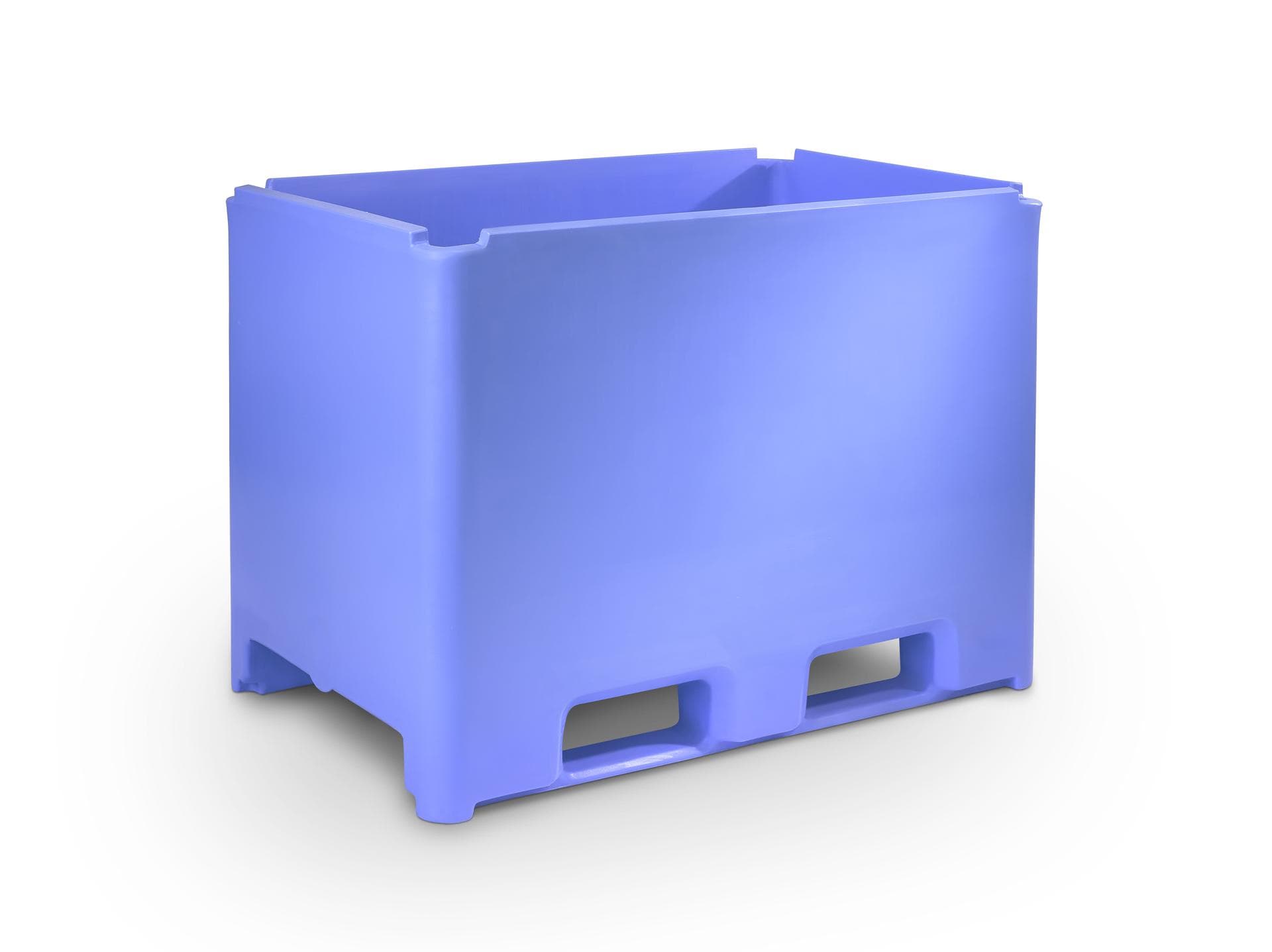
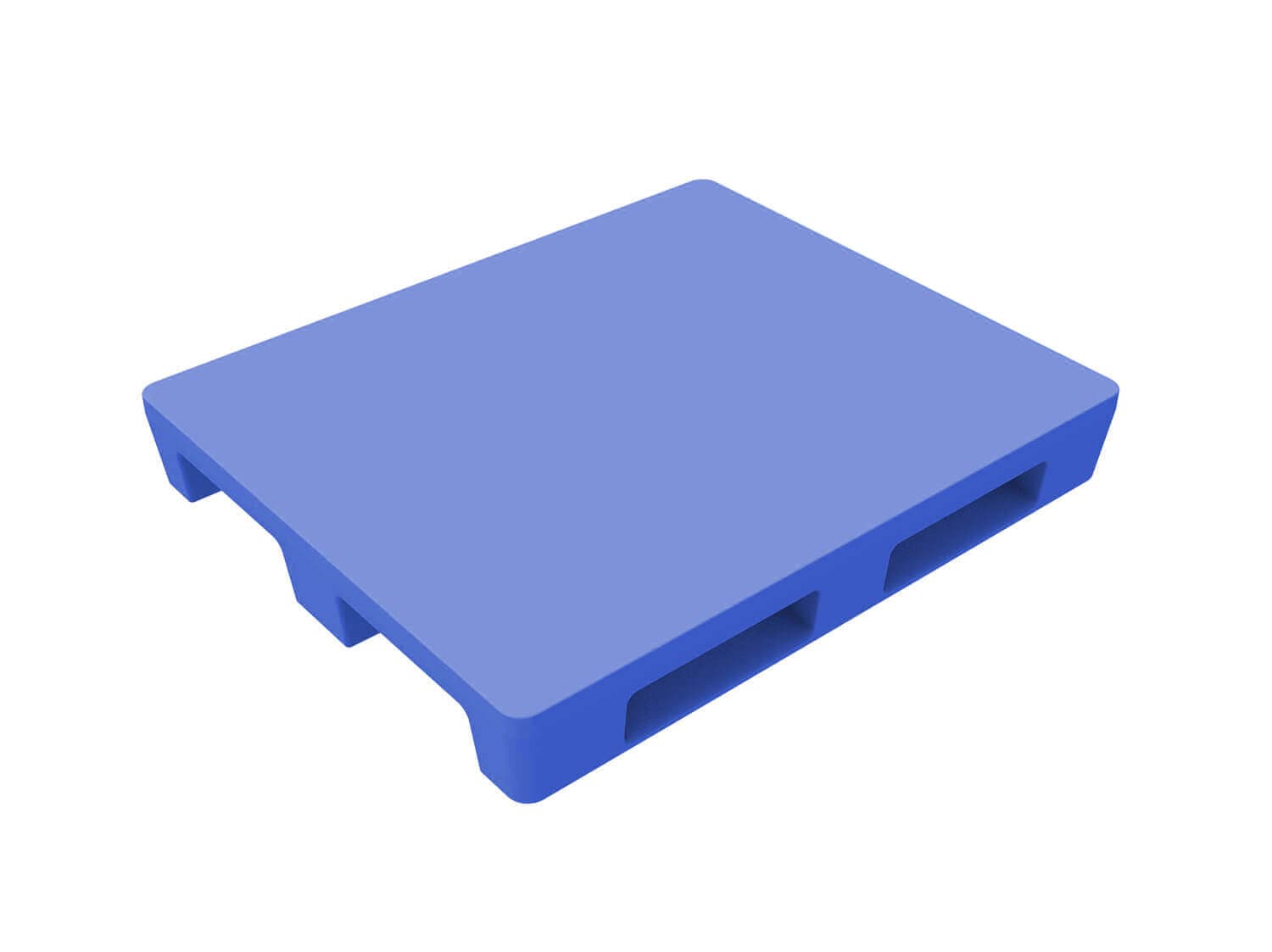
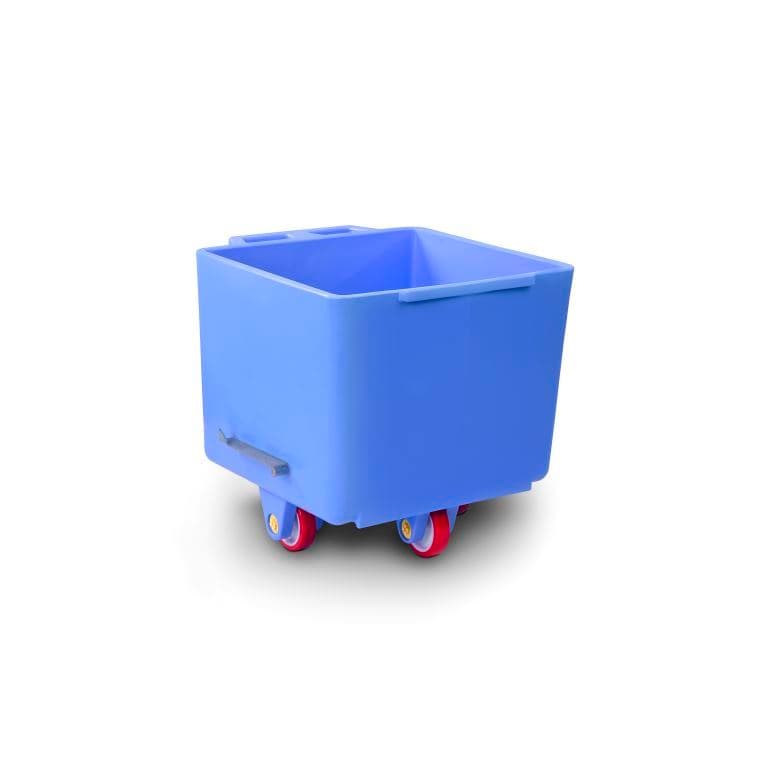
In food production HACCP is mandatory across the EU (EU 852/2004). For procurement and production that means any component that touches food, or sits near it, becomes a potential control point — including the pallet, the pallet box and the cutter wagon.
Seam-free geometry
Gaps, overlaps and plug-in parts are HACCP risk points. One-piece containers eliminate them systemically.
Validatable cleaning
Cleaning results must be reproducible and documentable. Porous surfaces or hidden cavities block this.
Material knowledge
The container's material must be known and documented — including colorants, additives and batch.
Foreign-body exclusion
No wood splinters, no loose nails, no brittle plastic parts — foreign bodies are a classic HACCP deviation.
Colour coding & zone separation
Black zone vs. white zone, raw vs. processed — the pallet or box often carries the colour code too.
One-piece rotational moulding
All hygiene products are rotomoulded seam-free — no joins, no plug-in parts, no metal nails.
Detectable colour series
On request we supply metal-detectable and X-ray-visible PE grades — so foreign-body checks catch systematically.
Colour-coded zones
Blue black-zone and white white-zone pallets, unambiguously distinguishable and optionally custom-printed.
Audit documentation pack
With every product we supply material and cleaning evidence that links directly into your HACCP plan.
Cleaning release
Recommended cleaning and disinfection agents with validated contact times and temperatures.
Material & colour evidence
PE grade, colour coding, detectability — everything you need for your HACCP plan.
Declaration of Conformity
EU 10/2011 DoC as the baseline, plus FDA letter on request.
Batch identification
Product traceability back to raw-material batch and production date.
Frequently asked questions
Are metal-detectable plastic containers always the right choice?
Not necessarily. They make sense when your process runs a metal detector or X-ray system as a CCP (Critical Control Point) and plastic fragments are a realistic risk. For pure transport logistics without a CCP the standard version is enough.
Which colours tend to win in practice?
Blue is the dominant HACCP colour because it doesn't occur naturally in food and plays well with metal detection and visual checks. White is used in the white zone — ideally distinctly separated from the black zone by colour.
Does Rotogal help concretely with HACCP documentation?
Yes. We supply a documentation pack your QA team can plug directly into the HACCP plan — cleaning release, material and batch identification, DoCs. For larger projects we also attend audits in person.
Need evidence for your audit?
We'll send the full compliance pack for your chosen product on request — often the same day.
More standards
Please note: All information on this page – in particular dimensions, technical data, material properties and application recommendations – is provided for general guidance only and is non-binding. The exact specifications tailored to your specific application are agreed on a binding basis as part of the quotation and order process.
Got a project?
Tell us about your requirement — we typically come back with a first assessment within 24 hours.