
Hygiene pallet vs. wooden pallet: which is right for food & pharma?
Total-cost view, HACCP assessment and audit readiness — everything procurement and QA need before switching.
Wooden pallets look cheap on day one — but lose the cost edge after 2–3 cleaning cycles per year once you factor in cleaning, repair and ISPM-15 replacement.
In wet and cold areas wooden pallets are an ongoing HACCP liability: splinters, nails, moisture uptake and mould can't be ruled out.
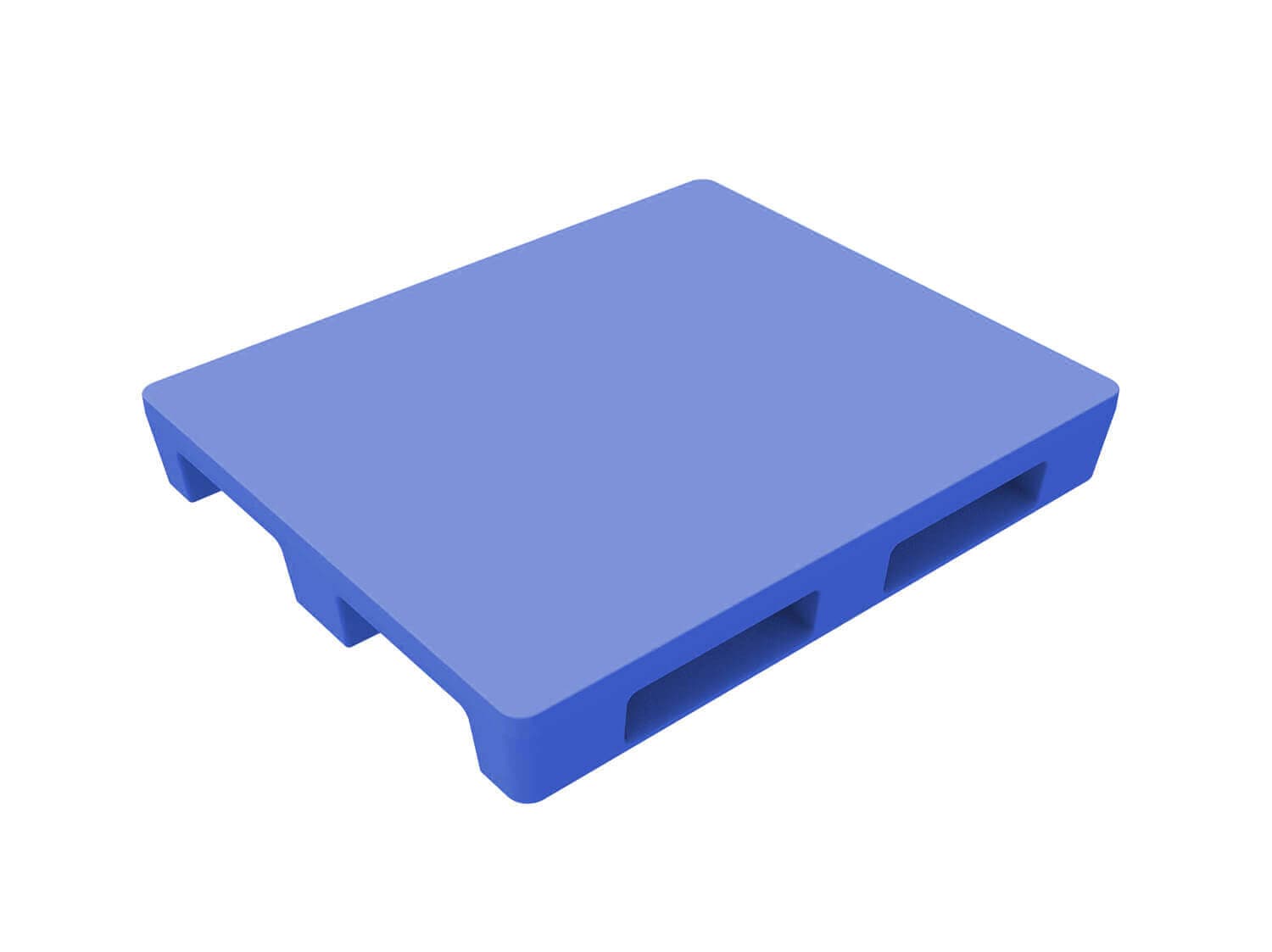
Rotogal hygiene pallets are one-piece, seam-free, CIP- and high-pressure cleanable, and recyclable — lifetime is typically 8–12 years.
Why the pallet isn't a supporting character
The pallet is the most underestimated contact point in food and pharma logistics. It gets handled, set down, washed, stored in cold rooms, and along the way inevitably touches products, packaging and staff. A hygiene risk on the pallet propagates through the whole chain.
That's why wood vs. plastic is not a pure procurement decision — it's a QA topic. Any HACCP analysis pointing at a production area has to cover the pallet as well: cleaning, pooling, replacement.
Hygiene in real operations: splinters, moisture, mould
Wood is absorbent and porous. In wet areas it draws cleaning agents, grease residue and microorganisms below the surface — a pressure washer removes the top layer, not the reservoir underneath. ISPM-15 treatments protect against wood pests, not against microbial colonisation.
Rotogal plastic hygiene pallets are rotationally moulded: a single part, no nails, plug-in pieces or gaps. Surfaces are closed and absorb neither liquid nor odour carriers. Cleaning uses foam, high pressure or a CIP cycle — validatable and reproducible.
5-year cost calculation
Unit price is not a comparison. TCO is: purchase + cleaning + repair + replacement + disposal, divided by service life. A wooden pallet in a hygiene zone lasts one to two years and needs repairs in between. A Rotogal plastic pallet lasts 8–12 years with no material wear.
On paper the plastic pallet overtakes wood in year two. From then on the cost advantage keeps compounding — right through to recycling revenue at end of life, because PE goes fully back into the loop.
Side by side
| Wooden pallet (EPAL) | Rotogal hygiene pallet | |
|---|---|---|
| Service life in wet areas | 1–2 years | 8–12 years |
| Cleaning | Surface only, not validatable | CIP, high-pressure, foam — validatable |
| HACCP risk | Splinters, nails, mould | No splinters, no metal parts |
| Moisture uptake | Yes (absorbent) | No (closed surface) |
| Weight (EPAL footprint) | ~ 25 kg | ~ 16 kg |
| Recyclability | Limited, pesticide-treated | 100 % PE, reusable |
| 5-year TCO | High (repair, replacement) | Low, predictable |
In cold / wet zones
Plastic, no question: wood is an ongoing HACCP liability there.
In dry / shipping areas
Plastic wins on TCO; wood can technically still compete in this segment.
At the black/white boundary
Plastic only. Colour-coded variants prevent accidental pool cross-over.
Frequently asked questions
Does the switch really pay off over 5 years?
In almost every case: yes. Break-even for hygiene zones typically falls between 14 and 22 months — after that every additional month is net benefit. We'll model it with your actual numbers on request.
Are plastic pallets more slippery than wooden ones?
Our pallet surfaces are textured and designed for dry and wet loads. On request we supply anti-slip inserts or coarse-textured decks for particularly critical situations.
Can I use plastic pallets in an open pool?
Yes. Our pallets support RFID and individual marking — so you keep visibility inside a pool. For closed loops (e.g. in-plant circulation) plastic is the more stable choice anyway.
How are plastic pallets disposed of at end of life?
We take our pallets back at end of life and feed the PE regranulate back into production. The loop stays closed.
Got a project?
Tell us about your requirement — we typically come back with a first assessment within 24 hours.
More guides
Please note: All information on this page – in particular dimensions, technical data, material properties and application recommendations – is provided for general guidance only and is non-binding. The exact specifications tailored to your specific application are agreed on a binding basis as part of the quotation and order process.
Got a project?
Tell us about your requirement — we typically come back with a first assessment within 24 hours.