
Goods reception & hygiene airlock
Clean handover between the outside world and production — using hygiene pallets instead of EPAL.
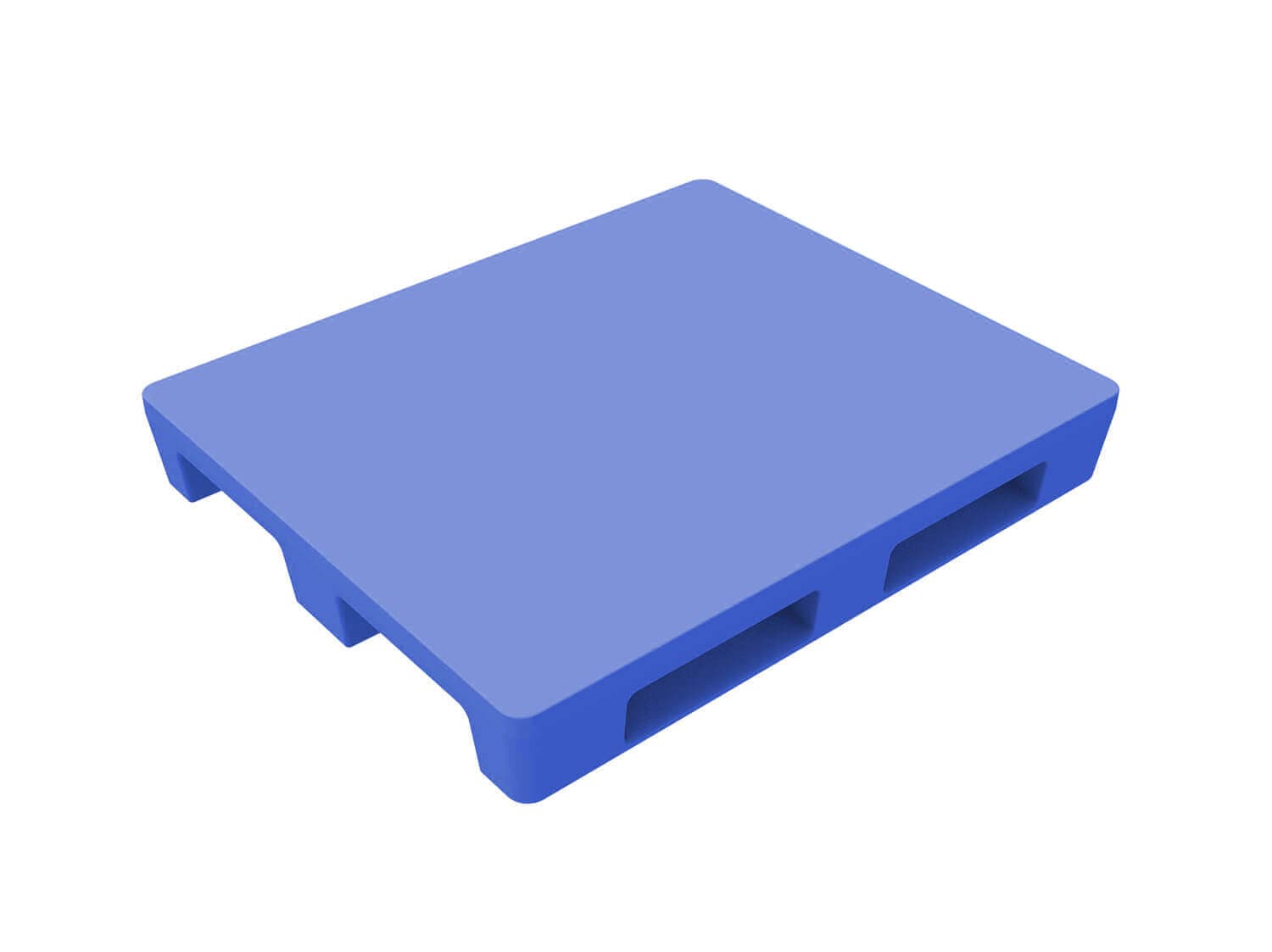
The airlock is the most sensitive point in any food or pharma operation: external wooden pallets, cardboard and third-party packaging meet the hygiene-controlled interior here. Rotogal hygiene pallets make the handover routine — seam-free, washable, UV-barcode-compatible and swappable 1:1 against EPAL footprints.
EPAL-compatible standard size
handover cycle per unit load
wood splinters, moisture or nails in clean zone
Clean handover between the outside world and production — using hygiene pallets instead of EPAL.
Many operations swap pallets at goods reception — for good reason: wooden pallets carry moisture, splinters, dust, beetles and mould into the warehouse. The EPAL swap is an operational effort that amortises within 18–24 months via lower cleaning, QA and lifetime costs of the plastic alternative. What matters: the Rotogal hygiene pallet must be EPAL-compatible so conveyor and racking stay unchanged.
Your benefit
- No wood in the clean zone
Splinters, nails, moisture and mould spores stay at the airlock.
- EPAL-compatible
1200×800 mm, fits existing conveyors and high-rack storage.
- Audit-ready
Food-safe per EU 10/2011, documented material conformity per batch.
- Wash-through capable
Fast cleaning in the wash tunnel — dries in minutes rather than hours.
Why wooden pallets fail at the airlock
ISPM-15-certified wood is pest-free — but not hygienic. It absorbs moisture, cracks, splinters and gets less clean with every cycle. In IFS Food or BRCGS audits, that is a documented non-conformance.
The clean break: re-palletise from wood to hygiene pallet at goods reception. The plastic pallet stays in production and storage; the wooden pallet leaves the airlock immediately.
What an efficient airlock process looks like
Goods reception gate with angled ramp, enough floor space for roughly 30 minutes of buffer, re-palletising station with scissor lift, return conveyor feeding hygiene pallets back into the warehouse. One operator realistically handles 25–40 pallets per hour.
Key detail: our hygiene pallets are 1:1 compatible with EPAL conveyors and racking profiles. No changes needed to roller tracks, shuttles or AS/RS systems.
The workflow
- Inbound delivery
External truck load on wooden or EPAL pallet at goods reception.
- Visual & temperature check
Spot checks for integrity, temperature, paperwork.
- Re-palletise
Transfer goods onto Rotogal hygiene pallet — manually, semi-automated or via robot cell.
- Release to production
Hygiene pallet enters the clean zone. Wooden pallet leaves the building.
Common pitfalls & fixes
- Wrong pallet footprint
Stay on the 1200×800 mm EPAL outline. Deviations force conveyor modifications.
- No return logistics
Introduce pooling — empty hygiene pallets stack for return to the airlock.
- Label adhesive
Use removable direct-print labels or RFID inlays, never permanent paper labels.
Frequently asked questions
Does a pallet swap at goods reception really pay off?
In operations with more than 500 unit loads per week, typically within 18–24 months — via eliminated wood waste, reduced cleaning cycles and fewer audit deviations.
Can we introduce our hygiene pallets into EPAL pools?
No — hygiene pallets are a closed asset pool and stay in your plant. External exchange happens only against wooden or EPAL pallets with the logistics provider.
How quickly is a hygiene pallet ready for reuse after washing?
After the wash tunnel they drain in under 10 minutes and are ready to use. No absorbent spots like wood, no residual moisture in the material.
More applications
Please note: All information on this page – in particular dimensions, technical data, material properties and application recommendations – is provided for general guidance only and is non-binding. The exact specifications tailored to your specific application are agreed on a binding basis as part of the quotation and order process.
Got a project?
Tell us about your requirement — we typically come back with a first assessment within 24 hours.